
Exploring the psychology behind successful casino strategies
Author: Emily Carter. A psychologist with over 15 years of experience in gambling behavior research.
Editor: Michael Johnson. A seasoned writer and editor specializing in gaming and economics.
The psychology of gambling has long captivated both players and researchers alike. Understanding the mental processes that drive successful casino strategies can provide valuable insights into better gameplay and decision-making. This article delves into the cognitive biases, emotional triggers, and social influences that shape casino strategies, offering a comprehensive overview of how psychology impacts success in gambling environments. Many players find the excitement of various games, including pocketwin bingo, adds to their overall enjoyment and strategic approach.
- The Role of Cognitive Biases
- Emotional Influences on Betting
- The Impact of Social Interactions
- Decision-Making Under Uncertainty
- The Power of Positive Reinforcement
- Strategies for Managing Emotions
- Risk-Taking Behaviors
- Conclusion: Embracing Psychological Insights
The Role of Cognitive Biases
Cognitive biases are systematic patterns of deviation from norm or rationality in judgment. In a casino setting, these biases can significantly affect the choices that players make. Common biases include the gambler’s fallacy, where players believe that past events can influence future outcomes, leading to poor decision-making.
Another relevant bias is confirmation bias, which causes players to favor information that supports their preexisting beliefs about winning or losing. Understanding these biases can help gamblers recognize when they are being influenced irrationally and adjust their strategies accordingly.
Emotional Influences on Betting
Emotions play a critical role in gambling behavior. Feelings of excitement can drive individuals to take bigger risks, while anxiety can lead to more conservative strategies. Players often experience a rush during wins, prompting them to increase their bets, while losses can result in chasing behavior to recover lost money.
| Emotional State | Typical Betting Behavior | Impact on Strategy |
|---|---|---|
| Excitement | Higher stakes | Riskier decisions |
| Anxiety | Lower stakes | Conservative decisions |
| Frustration | Chasing losses | Irrational decisions |
The Impact of Social Interactions
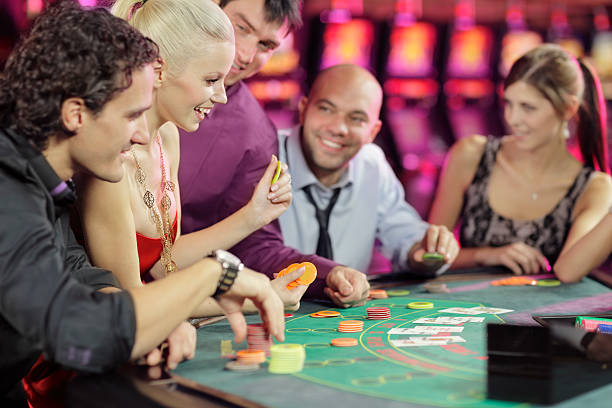
Social dynamics in casinos can shape individual strategies significantly. The presence of peers can encourage riskier bets or create a sense of competition that drives players to chase higher rewards. Additionally, social proof, such as observing others win, can create an illusion of safety in making similar bets.
- Peer pressure can lead to impulsive betting decisions.
- Observational learning influences strategy adoption.
- Group dynamics can alter perceived likelihood of winning.
- Casino promotions can exploit social interactions to increase participation.
Decision-Making Under Uncertainty
Gamblers regularly face uncertainty, which can lead to stress and affect decision-making processes. Participants often rely on heuristics—mental shortcuts that simplify complex problems—to navigate these decisions. However, these can lead to flawed strategies and poor outcomes.
Recognizing the presence of uncertainty and developing methods to cope with it can improve player performance. Techniques such as breaking down bets into smaller, manageable decisions can reduce anxiety and promote more rational betting behavior.
The Power of Positive Reinforcement
“The thrill of winning reinforces gambling behavior, making players more likely to return.” – Expert in gambling psychology
This statement highlights the critical role that positive reinforcement plays in gambling. Winning creates a desire to repeat the experience, leading players to implement strategies that have previously resulted in success. This cyclical behavior can enhance both enjoyment and engagement in the casino experience.

Strategies for Managing Emotions
Effective emotional management can empower players to make more informed decisions. Techniques such as mindfulness and self-reflection allow individuals to maintain a balanced perspective and avoid impulsive betting. Players can also benefit from setting predefined limits to mitigate emotional reactions during gameplay.
| Strategy | Description |
|---|---|
| Mindfulness | Staying present and aware of emotional states |
| Predefined Limits | Setting strict budgets before gambling |
| Self-Reflection | Analyzing past betting outcomes and emotions |
Risk-Taking Behaviors
Risk-taking is an inherent aspect of gambling, and understanding the psychology behind this behavior is crucial for successful strategies. Players often misinterpret probabilities, leading them to underestimate risks associated with certain bets. Educating oneself about the odds and potential outcomes can reduce reckless betting tendencies.
- Analyze odds thoroughly before placing bets.
- Explore the consequences of various betting strategies.
- Evaluate personal tolerance for risk.
- Learn from previous experiences to adjust future risk-taking.
Conclusion: Embracing Psychological Insights
In conclusion, understanding the psychology behind casino strategies can significantly enhance a player’s ability to make informed decisions. By recognizing cognitive biases, managing emotions, and employing effective strategies, gamblers can improve their chances of success. Embracing these psychological insights not only leads to better gameplay but also enhances the overall casino experience.
As players become more aware of the concepts discussed, they are empowered to approach gambling as a strategic endeavor rather than purely a game of chance.